How Many ml in an oz?
In today’s global marketplace, understanding different units of volume is essential for any packaging business. Whether you are a glass bottle retailer, a wholesaler, or a brand owner in the beverage, food, or cosmetic industry, knowing how to convert between milliliters (ml) and ounces (oz) will help you serve diverse markets more effectively. One of the most common conversions you will encounter is from ounces to milliliters — especially if you deal with glass bottle packaging for spirits like whiskey, wine, or other beverages.
Ounces are predominantly used in the United States, while milliliters are the standard in Europe, Asia, and most other regions. Getting this conversion right is critical for meeting both local and international packaging requirements. Mastering volume conversion is a key step toward expanding your business globally and meeting your customers’ expectations.
This article takes a deep dive into the basics of converting between ounces and milliliters. We’ll also explore why accurate volume measurement matters across different industries and introduce YiZhou Packaging, a trusted glass bottle manufacturer that offers a wide range of customizable packaging solutions. By the end, you’ll have a clear picture of how these units impact the glass packaging world.
1. The basics: what are ounces and milliliters?
Before we jump into conversions, let’s clarify what these two units actually represent.
Ounces (oz)
The ounce is a unit of volume most commonly used in the United States. You’ll often see “oz” on beverage bottles or perfume flasks. When we talk about fluid ounces (fl oz), we are specifically referring to liquid volume. One US fluid ounce equals approximately 29.5735 milliliters. It’s worth noting that there are slight variations around the world — for example, the UK fluid ounce is slightly larger at about 28.413 ml. In this guide, we focus primarily on the US fluid ounce because it is the standard in many international trade contexts.
Milliliters (ml)
A milliliter is a metric unit of volume, used by almost every country outside the United States. One milliliter is one-thousandth of a liter. Because the metric system is the global norm, understanding milliliters is crucial for any company exporting to different regions. Knowing both ounces and milliliters helps you ensure correct labeling and compliance when selling products in global markets. It also allows you to address the varying capacity labeling requirements of customers in different countries — whether you are converting from ml to oz, from oz to ml, or simply answering the question “how many ml in an oz.” This is especially important for those in the beverage industry, such as producers of whiskey and other spirits.
2. How to convert ml to oz and oz to ml
Converting between ounces and milliliters is straightforward once you know the formula. Here are the basic relationships:
- Milliliters to ounces: divide the number of milliliters by 29.5735.
- Ounces to milliliters: multiply the number of ounces by 29.5735.
Let’s look at a practical example using bottle capacities common in the beverage industry. A 750 ml whiskey bottle converts as follows:
750 ÷ 29.5735 = 25.36 ounces.
Similarly, a smaller 375 ml bottle (often used for spirits) converts to:
375 ÷ 29.5735 = 12.68 ounces.
Going the other way, a 1-liter bottle equals approximately 33.81 ounces, a standard size in many beverage categories.
For quick mental math, you can round 1 ounce to roughly 30 ml. Using this approximation, a 750 ml whiskey bottle comes out to about 25 ounces, and a 375 ml bottle is roughly 12.5 ounces. By mastering these conversions, businesses can smoothly navigate markets that use different measurement systems, ensuring their packaging complies with local regulations. Inconsistent or incorrect conversions can lead to mislabeled products, resulting in fines, recalls, or even a loss of consumer trust.
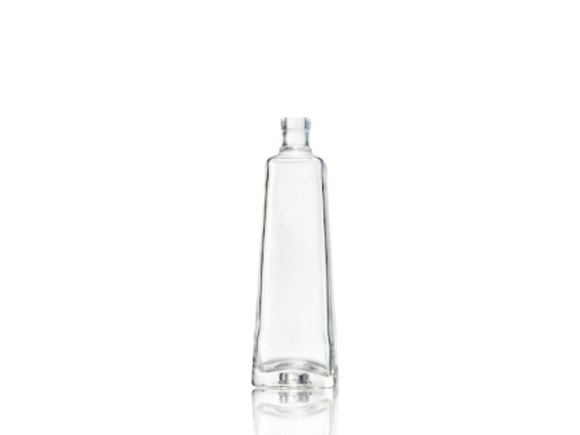
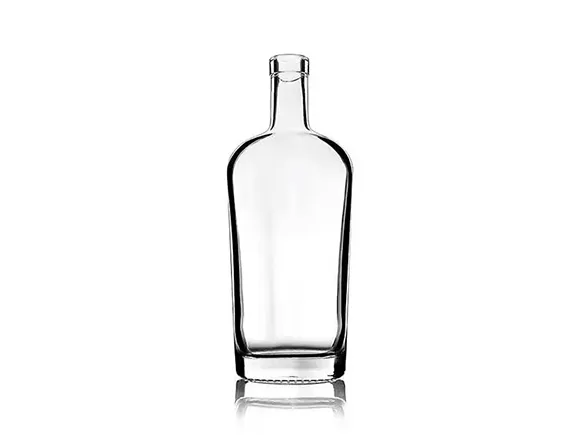
▲ Left: 750ml slender T‑shaped whiskey bottles | Right: Precision filling equipment relies on accurate volume settings
3. Common bottle sizes and their conversions
Bottle sizes vary widely, especially in industries like beverages and spirits. Below is a handy reference table showing frequently used bottle capacities along with their milliliter‑to‑ounce equivalents:
| Bottle capacity (ml) | Ounces (oz) |
|---|---|
| 50 ml | 1.69 oz |
| 100 ml | 3.38 oz |
| 375 ml | 12.68 oz |
| 500 ml | 16.91 oz |
| 750 ml | 25.36 oz |
| 1 L (1000 ml) | 33.81 oz |
| 1.5 L (1500 ml) | 50.72 oz |
| 1.75 L (1750 ml) | 59.17 oz |
4. Why the 750 ml to oz conversion matters for brands
If you are a wholesaler or brand owner in the alcohol industry, the 750 ml to oz conversion is likely your daily reality. In the US, a 750 ml container is often called a “fifth,” and it serves as the global gold standard for spirits packaging. But why does this particular conversion carry so much weight?
The exact answer: 750 ml equals 25.36 US fluid ounces.
For manufacturers and distributors, this is far more than a number on a calculator — it’s a critical logistics parameter:
- Labeling and compliance: In many markets, especially the US, the Alcohol and Tobacco Tax and Trade Bureau (TTB) requires specific volume statements. Knowing that 750 ml converts to about 25.4 oz helps you design labels that meet both metric and imperial standards, avoiding consumer confusion.
- Inventory and cost per serving: For retailers and bar owners, understanding how many ounces are in a 750 ml bottle allows them to calculate “cost per pour.” With a standard pour of 1.5 or 2 oz, a 750 ml bottle yields nearly exactly 16.9 or 12.6 servings. This precision supports tighter inventory control and better margin tracking.
- Wholesale shipping weight: As a glass manufacturer, we know capacity is about more than just the liquid inside. A 750 ml glass bottle is engineered to hold exactly 25.36 oz of liquid while maintaining structural integrity for safe transport. Understanding this conversion helps wholesalers calculate case weights and avoid overpaying on logistics due to volume miscalculations.
Whether you are sourcing 750 ml glass whiskey bottles in bulk or simply figuring out how many drinks a bottle can serve, remember that 25.36 is the “magic number” driving the global spirits industry.
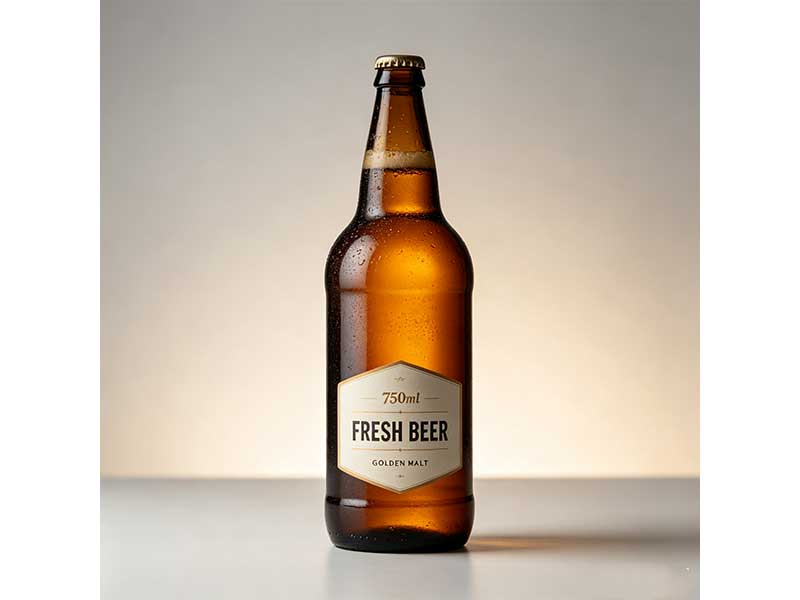
▲ 750ml beer bottle — consistent capacities are vital for inventory management and international shipping
5. The importance of accurate conversion in glass bottle packaging
In the glass packaging industry, accurate unit conversion is essential for several reasons. First, it ensures product labels comply with local regulations. For instance, the US requires liquid volumes to be stated in ounces, while the EU mandates milliliters. Incorrect labeling or poor unit conversion can have costly consequences, including product recalls, fines, and damage to brand reputation.
The global alcoholic beverage market is enormous and highly dependent on precise packaging, especially for spirits like whiskey, rum, and gin. Any mistake in volume measurement can lead to non‑compliance, market access problems, and in the worst case, legal action. Accurate conversion is therefore not just a convenience — it’s a cornerstone of business integrity and operational success in a competitive landscape.
6. YiZhou Packaging – a partner you can trust in glass bottle packaging
At YiZhou Packaging, we understand that precision in packaging is non‑negotiable. That’s why we offer high‑quality, fully customizable glass bottles designed to meet the needs of businesses across industries. Whether you operate in the beverage, food packaging, or cosmetics sector, our expertise in glass bottle manufacturing makes us the ideal packaging partner.
With extensive experience, YiZhou Packaging has built a strong reputation for producing versatile glass packaging solutions. We provide a wide range of bottle sizes, from 375 ml to 1.75 L, and we can tailor shapes, colors, and finishes to your unique requirements. Whether you need a classic whiskey bottle design or a contemporary cosmetic container, our advanced production facilities and skilled team ensure every bottle meets the highest standards of quality and accuracy.
We also recognize the critical importance of accurate conversions between ounces and milliliters, particularly in the alcohol beverage market. Our bottles are available with both ounce and milliliter markings, helping businesses easily navigate international regulations and meet consumer expectations.
Committed to sustainability, we provide eco‑friendly glass packaging solutions that respond to the growing demand for sustainable options. Glass is 100% recyclable and an excellent alternative to plastic, making it the ideal choice for businesses that value environmental responsibility.
7. Ounce‑to‑ml conversion across different industries
Beverage industry (whiskey as a prime example)
One of the largest consumers of glass bottles is the beverage sector, particularly products like whiskey, vodka, gin, and other spirits. The global whiskey market was valued at over 67 billion USD in 2022 and is projected to grow steadily. Because whiskey is packaged in a variety of sizes — including 750 ml (25.36 oz) and 1 liter (33.81 oz) — accurate conversion is essential for meeting international labeling requirements. For whiskey brands exporting worldwide, consistent and accurate bottle sizes help ensure compliance with the different measurement standards in each region. In the US, whiskey bottles are often labeled in ounces, while in Europe they are labeled in milliliters.
Food packaging
In the food industry, glass bottles are frequently used for edible oils, sauces, and other liquid products. Standard sizes like 500 ml (16.91 oz) and 1 liter (33.81 oz) are common choices for olive oil and other culinary products. Glass bottles convey a premium look and feel, which is why many high‑end food brands prefer glass over plastic. Understanding how to convert between ounces and milliliters ensures food labels are correct and compliant for international sale.
Cosmetic packaging
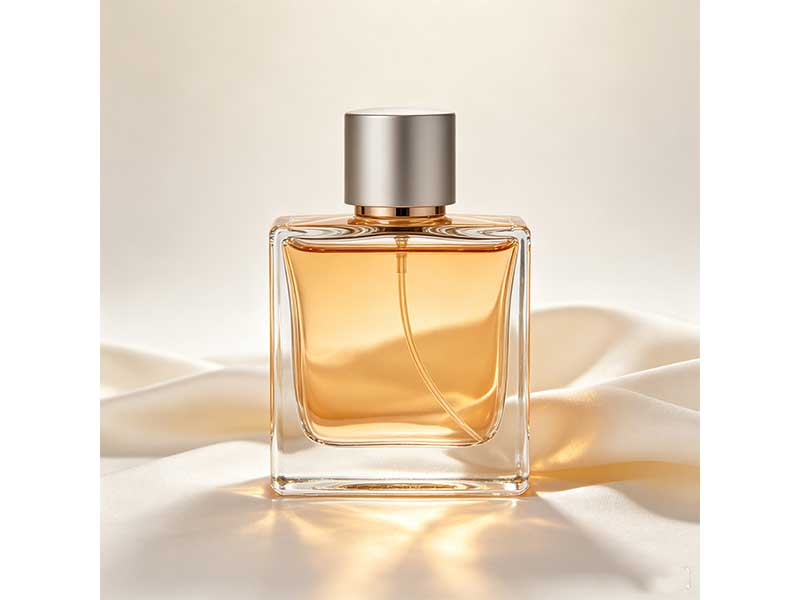
In the cosmetics sector, glass bottles are widely used for perfumes, lotions, and serums. The most common capacity for a perfume bottle is 50 ml (1.69 oz), though other sizes like 100 ml (3.38 oz) are also popular. Precise volume measurement is critical so consumers know exactly how much product they are purchasing. Glass bottles also add a sense of luxury, making them the preferred packaging for high‑end cosmetic brands.
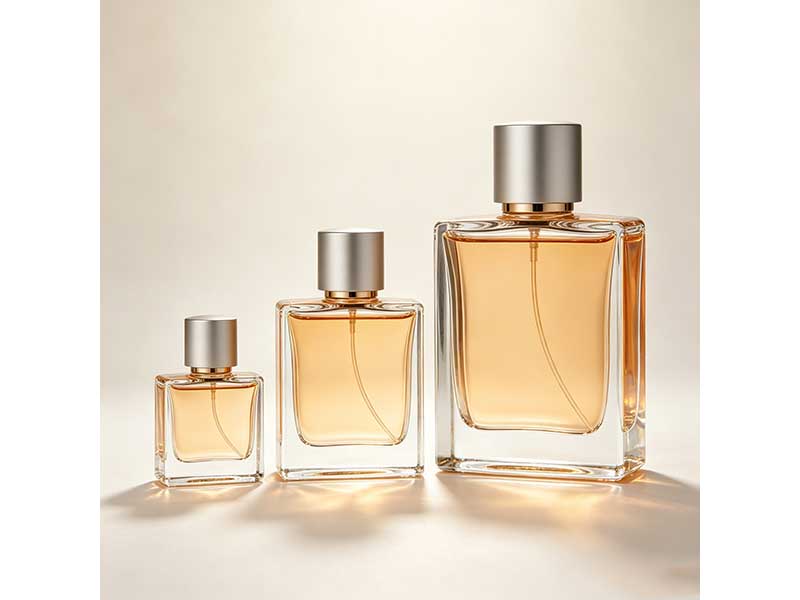
▲ Perfume bottles of different oz — accurate conversion ensures correct labeling for every size
8. Glass bottle packaging: customization and emerging trends
In the glass packaging industry, customization has become increasingly important as brands look for ways to stand out from competitors. Recent trends include minimalist designs, eco‑friendly packaging, and unique bottle shapes that reflect a brand’s identity.
At YiZhou Packaging, we offer a wide variety of customization options, including different shapes, sizes, colors, and finishes. Whether you need an embossed logo, a frosted surface, or a custom color, we can create the perfect packaging solution for your product. Our customization capabilities allow brands to build unique, high‑quality packaging that aligns perfectly with their brand values and market positioning.
Sustainable packaging is also gaining significant momentum as consumers become more environmentally conscious. Glass, being 100% recyclable, is one of the most eco‑friendly packaging options available today. Brands looking to reduce their environmental impact are increasingly turning to glass bottles as a sustainable alternative to plastic.
9. Frequently asked questions
How many ml are in 1 oz exactly?
▼
1 US fluid ounce equals 29.5735 ml (often rounded to 29.57 ml). For the UK fluid ounce, 1 oz equals 28.4131 ml. When you see “oz” without a qualifier, it’s safest to assume the US standard, but for critical work always confirm which system is being used.
How many ounces is 750 ml?
▼
750 ml equals 25.36 US fluid ounces. This is the standard size for a bottle of wine or spirits and is frequently referred to as a “fifth” in the United States.
What are the most common glass bottle sizes in the spirits industry?
▼
The most common sizes are 50 ml (1.69 oz), 375 ml (12.68 oz), 750 ml (25.36 oz), and 1 liter (33.81 oz). Each serves a different market segment, from miniatures and half‑bottles to standard and large formats.
Does YiZhou Packaging offer bottles with both ml and oz markings?
▼
Yes. We provide glass bottles that can be labeled or embossed with both metric and imperial volume markings, helping your products comply with regulations in multiple markets.
Can I get a custom bottle size not listed in the table?
▼
Absolutely. YiZhou Packaging specializes in custom glass bottle manufacturing. We can produce bottles in a wide range of capacities and shapes tailored to your brand’s specific requirements. Contact us to discuss your project.