10 Most Popular Perfume Bottles from Top Luxury Brands in 2026
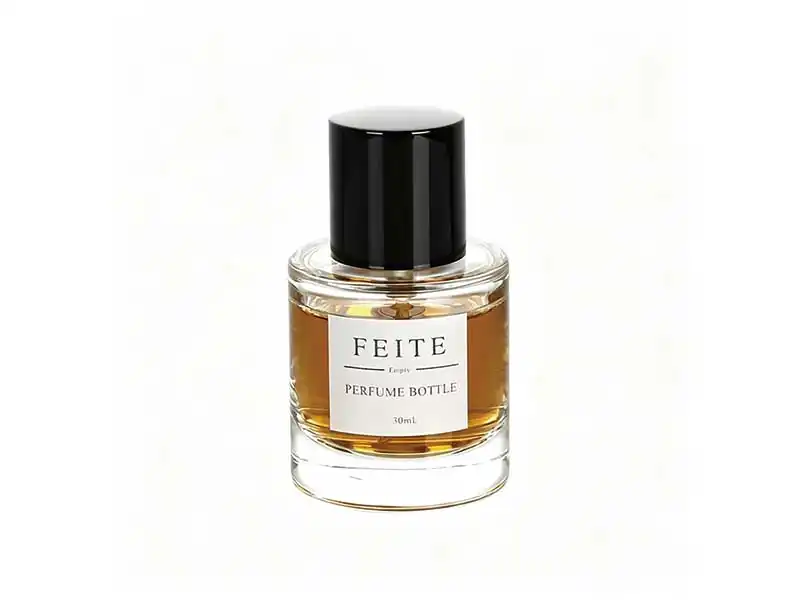
Ask a fragrance buyer to name their favourite scent and most will describe the bottle before they can describe the juice. Silhouette is the fastest form of recognition in luxury retail, and in 2026 the world’s leading houses are defending their silhouettes more deliberately than ever. This guide works through the 10 most popular perfume bottles from top luxury brands in 2026 — Chanel, Dior, Tom Ford, Byredo, Le Labo, Diptyque, Maison Margiela, Kilian, Hermès and Bvlgari — and then decodes the glass, cap, pump and box decisions behind each one.
For every brand we look at three layers. First, the design language: the inspiration, proportions and visual signature that make the bottle recognisable at a glance. Second, the materials and engineering: glass grade, base weight, neck standard, cap structure and atomiser behaviour. Third, the manufacturing view: how a custom packaging manufacturer would recreate a comparable or more distinctive bottle, and which box structure belongs with it. If you are briefing a launch, the brand-by-brand notes below double as a specification checklist.
What Makes These 10 Bottles the Most Popular of 2026
The bottles that lead the market this year share three qualities. Restraint: fewer components, cleaner surfaces and typography that steps back so the glass can speak. Honesty of material: real glass, real aluminium and real board instead of heavy opaque colour on the body. Longevity: a bottle that can be refilled, re-capped or re-sleeved earns a permanent place on a dresser rather than a single season of attention.
What separates the ten brands below is not decoration but ownership of a form. Each has committed to one silhouette for decades — a rectangle, a cylinder, an oval, a faceted gem — and every seasonal edition is built on that chassis. That is the lesson worth copying: pick a geometry, engineer it properly in Super Flint glass, and let the packaging system carry the variation.
10 Most Popular Perfume Bottles from Top Luxury Brands in 2026
The ten references below are ranked by a mix of retail popularity, cultural visibility and the influence their design has had on the wider 2026 market. For each one, the notes cover its signature bottle form, the glass and craft behind it, its cap and pump mechanics, and how a custom manufacturer can build a comparable approach for an emerging brand.
1. Chanel — N°5 and Bleu de Chanel: Geometric Minimalism
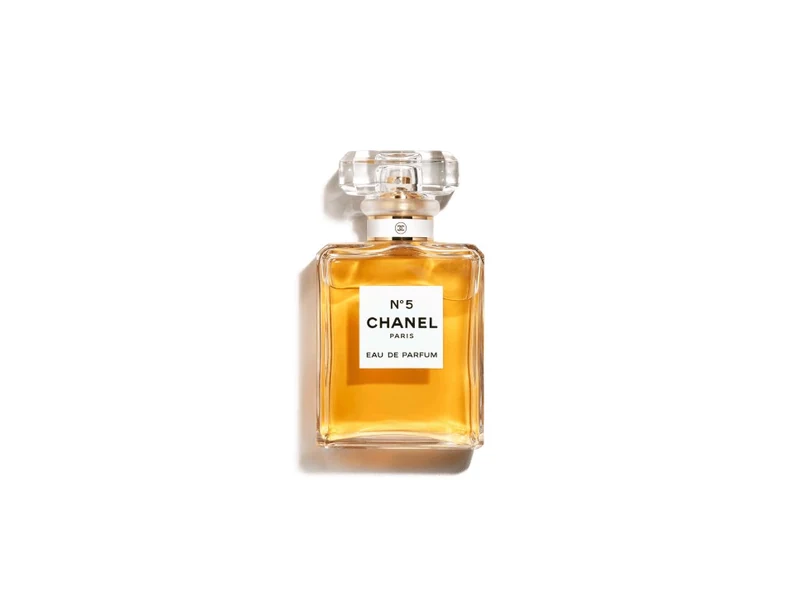
Design language. The Chanel N°5 flacon is the founding document of minimalist perfume design: a flat, rectangular “flask” with razor-straight shoulders and a deliberately plain white label framed in black. Gabrielle Chanel asked for a bottle that would let the fragrance, not the ornament, take centre stage — and a century later that restraint is still the most imitated idea in the category. Bleu de Chanel translates the same geometry into men’s fragrance with a deep, smoky blue body and a squared cap carrying the double-C.
Glass and craft. Chanel’s signature is high-transparency glass that lets the golden or amber juice read through the wall. The rectangle demands very tight dimensional control: the four edges must stay perfectly parallel or the bottle photographs “bent”, and the label must sit dead-flat on a flat panel. That is a thick-wall, extra-clear formulation — Super Flint territory — with a solid, quietly heavy base.
Cap and pump mechanics. The N°5 stopper is a plug-and-flange form that seals on the neck rather than screwing, which means the neck bore and stopper taper have to be held to a very fine tolerance for a leak-free seat. Modern editions pair the heritage neck with a standard crimp pump so the atomiser can be serviced without touching the glass mould.
Manufacturing view. A Chanel-style rectangular flacon is one of the easiest premium silhouettes to customise because the geometry is simple and the cost sits in the glass quality, not the mould. Start from a thick-wall Super Flint rectangle in 30ml, 50ml and 100ml, keep the shoulders sharp, and invest in a machined aluminium or zamak cap. Pair it with a rigid magnetic closure box in matte board — the same restrained logic as the bottle.
2. Dior — J’adore and Sauvage: Fluid Curves and Gradient Glass
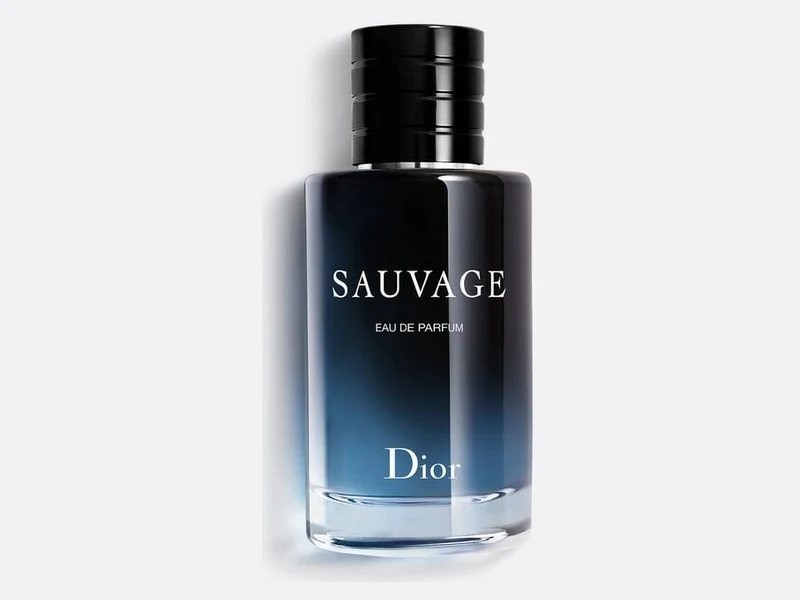
Design language. Dior works two opposite archetypes. J’adore is a tall, softly elongated amphora, its round shoulders gathered at the neck by a metallic ring that reads like a piece of jewellery. Sauvage is the men’s counterpoint: a broad, solid rectangle with an icy blue gradient that fades to clear at the base, giving the impression of light rising through the glass.
Glass and craft. Gradient and ombré effects are Dior’s decorative signature. Two routes achieve them: an outer sprayed or dipped lacquer coat over clear glass, or an inner colour wash that leaves the outer wall untouched so the surface stays glassy. Both look best over extra-clear, low-iron glass, otherwise the colour reads muddy. The Sauvage body is heavy and slightly faceted on the shoulders, while J’adore needs a perfectly round, seamless neck-to-shoulder transition.
Cap and pump mechanics. Sauvage uses a low-profile magnetic cap that snaps closed with an audible click — a small detail that does enormous work for perceived quality. J’adore’s ring collar is a two-part metal assembly that has to be pressed onto the neck after filling, which means the collar dimension tolerances matter as much as the glass.
Manufacturing view. To reproduce a gradient bottle, specify an outer spray-lacquer gradient over Super Flint and keep the shoulder radius generous so the colour transition is gradual rather than banded. A magnetic cap is a straightforward upgrade and instantly modernises a rectangular or cylindrical body. For a J’adore-style profile, pair the bottle with a printed paper card box and a die-cut tray that cradles the curved shoulder.
3. Tom Ford — Private Blend: Heavy, Ribbed and Architectural
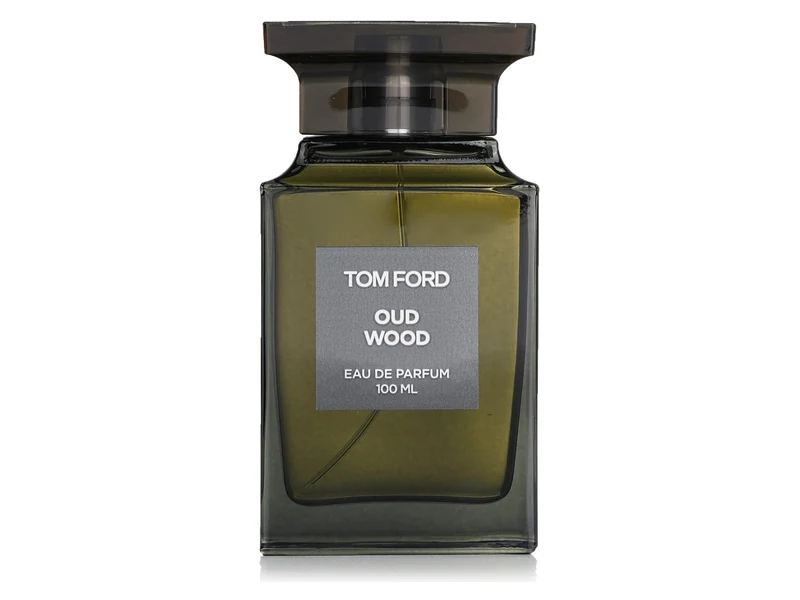
Design language. The Tom Ford Private Blend decanter is built like a small building: a weighty, transparent block with deep vertical ribs on the flanks, a flush black label plaque, and a broad cap that reads as a rooftop. Black Orchid applies the same architecture in near-opaque black glass with a warm gold collar. The effect is authority rather than prettiness.
Glass and craft. This is the clearest example of “weight equals value” in modern fragrance. The ribs are not decoration for their own sake — they add rigidity to the wall and multiply the internal refraction so the bottle glows even in dim retail lighting. The form needs a solid, over-thick base and a matte or polished finish applied consistently across every rib face.
Cap and pump mechanics. The Private Blend cap is oversized and often magnetic on newer editions; the internal fit must be snug enough that the cap does not rock on a broad shoulder. The neck sits under a metal collar, so the crimp pump is hidden and only the nozzle shows.
Manufacturing view. Ribbing is achievable on a custom mould and is the single most effective way to make a large bottle feel costlier without extra glass mass. Specify deep, flat-bottomed ribs, a thick base and a wide zamak or anodised aluminium cap. Because the bottle is heavy, box the set in a magnetic box and bottle set with a fleece-lined insert so the glass cannot shift in transit.
4. Byredo — Clean Cylinders with Magnetic Caps
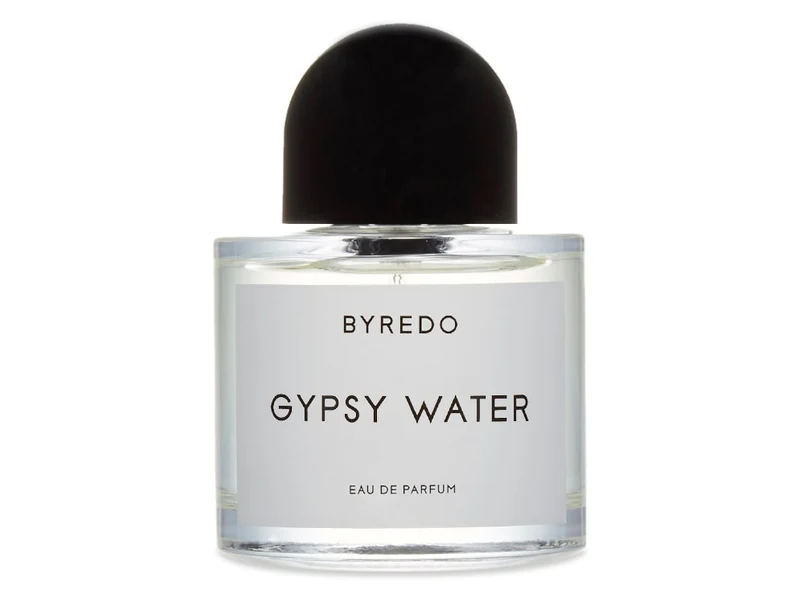
Design language. Byredo is Scandinavia-by-way-of-Paris minimalism: a tall, straight-sided glass cylinder with softly rounded shoulders, a thick base, a plain white label, and famously little else. The design deliberately withholds brand theatre so that the scent name does the talking — a strategy that has made the house one of the most imitated niche references of 2026.
Glass and craft. The cylinder looks simple and is not. A round wall shows every flaw: haze, mould seams and wall-thickness variation are all visible, so Byredo-grade clarity means extra-clear, low-iron glass polished to a clean surface. The thick base gives the lightweight look a reassuring weight in the hand.
Cap and pump mechanics. The signature is a heavy, magnetically located cap that drops into place and seats with a soft click — a tactile ritual that costs little and is remembered. Underneath, a standard crimp pump delivers a fine mist; the cap magnet ring must be centred so the cap does not pull to one side.
Manufacturing view. A cylindrical body plus a magnetic cap is the most repeatable premium programme a new brand can order, and it scales cleanly from 30ml to 100ml without redesigning the cap. Keep the label area flat and the neck concealed by an internal collar. Pair it with a slim custom packaging box in uncoated stock for a soft-touch, gallery-like finish.
5. Le Labo — The Apothecary Laboratory Bottle
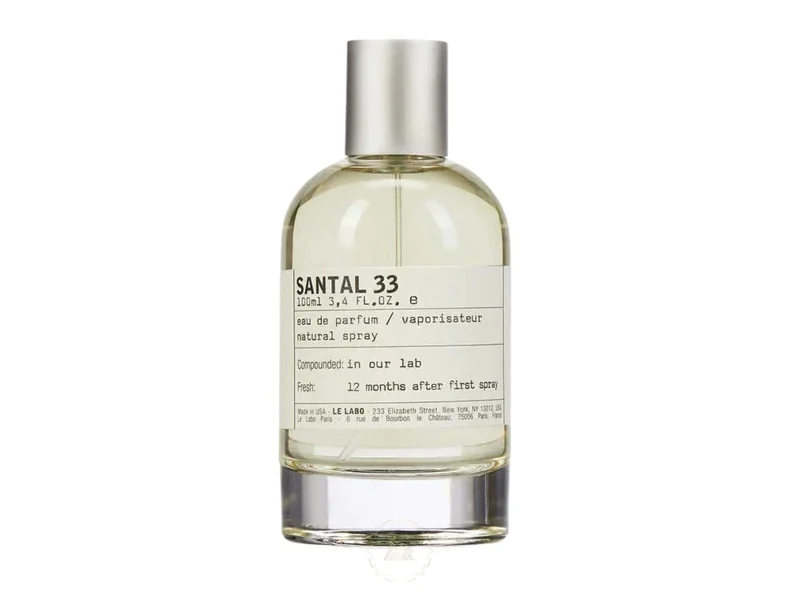
Design language. Le Labo’s bottle is an anti-bottle: a plain apothecary cylinder in clear or amber-toned glass, closed with a simple metal cap, and labelled with a typewriter-set tag that is personalised and dated in store. The design language is “compounded in front of you” — it borrows its credibility from laboratory and pharmacy culture rather than from fashion.
Glass and craft. The charm is the honesty of the stock-quality glass and the paper label, which is attached rather than printed onto the body. This is a case where imperfection is the point: the bottle is meant to look made rather than manufactured, so the spec favours a straightforward moulded cylinder with a clean neck rather than a polished luxury form.
Cap and pump mechanics. A screw or crimp cap with an accessible pump keeps the bottle serviceable, which matters for a brand built on refilling and personalisation. The neck is sized to accept a standard fine-fragrance pump so the label-and-seal ritual can be repeated at the counter.
Manufacturing view. This is the most approachable of the ten to reproduce at low volume: a stock apothecary bottle in 15ml to 100ml needs no bespoke mould, so a brand can start from 500 pieces and focus budget on the label, the cap finish and the box. Choose an amber or flint cylinder, add a brushed metal cap, and pair it with a trial perfume box so discovery sizes travel as readily as the hero SKU.
6. Diptyque — The Classical Oval Flacon
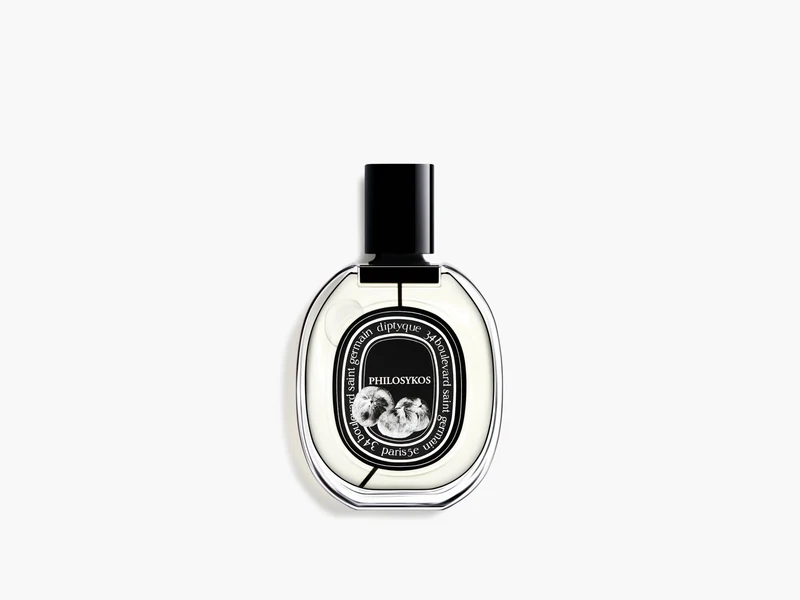
Design language. Diptyque’s bottle is an oval: a soft, lens-shaped body that recalls the shape of an antique mirror or an old apothecary flask, topped with an oval label that carries the house’s illustrated identity. The form is romantic rather than architectural, and it is instantly identifiable in a line-up of rectangles.
Glass and craft. The oval is the hardest of the ten shapes to mould consistently. A compound curve has to hold the same wall thickness around its perimeter, and the label panel must stay flat enough for a large printed label to lie down without bubbling. Décor is typically applied as a clean screen print or a foil accent that follows the curve.
Cap and pump mechanics. The classic build uses a screw or crimp neck with a compact cap proportioned to the oval, not a broad round cap that would fight the body. Because the oval is narrow at the shoulders, the neck-to-shoulder junction needs careful filleting so the collar seats squarely.
Manufacturing view. Reproducing an oval demands a bespoke mould and tighter QC than a rectangle, so plan for a 5,000-piece custom programme and a 3–7 day pre-production sample window to validate the curve before tooling is locked. Match it with a die-cut insert that follows the oval profile — a rectangular cavity will let a curved bottle rock. A paper card box with a traced tray is the natural partner.
7. Maison Margiela Replica — Pharmacy Glass with a Fabric Label
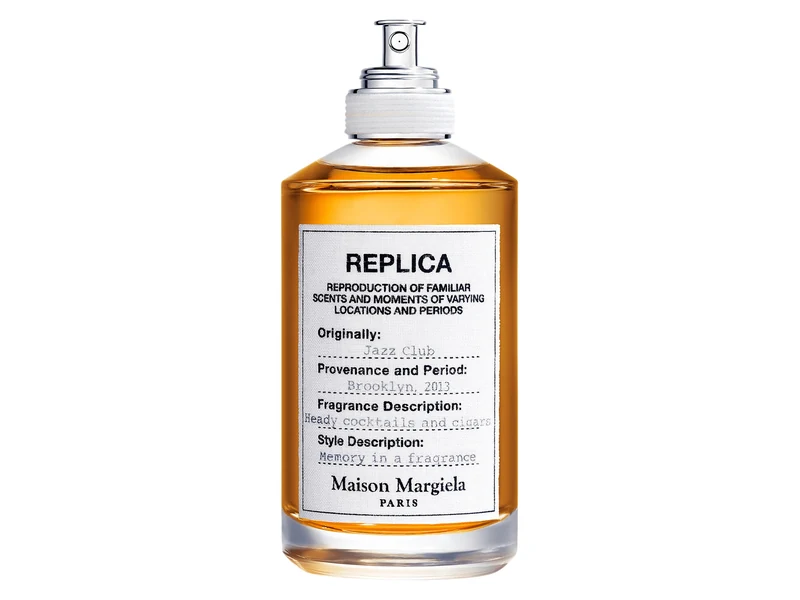
Design language. The Replica bottle deliberately imitates a pharmacy container: a straightforward clear-glass cylinder or softly squared flask, closed with a heavy metal cap, and draped with a fabric-look label that mimics a clothing tag. It is conceptual design disguised as ordinary packaging — the antithesis of a jewel bottle, and all the more memorable for it.
Glass and craft. The body is kept intentionally plain so the label and cap carry the identity. The key craft decision is the label itself: a woven or canvas-textured tag attached to the neck or wrapped around the body, which requires a clean neck seat and a flat panel rather than a decorated wall.
Cap and pump mechanics. A weighty magnetic cap is a well-known strength of the line: it drops into place and feels substantial in the hand, and the atomiser underneath is praised for a fine, even mist. The magnetic ring and the cap mass have to be balanced so the closure feels solid without being hard to open.
Manufacturing view. This is ideal for a brand that wants strong identity from low tooling: use a stock clear-glass cylinder, add a heavy magnetic cap and a custom fabric or textured paper tag, and the bottle reads instantly as a concept piece. Pair the bottle with a magnetic box and bottle set so the opening ritual matches the cap, and consider a debossed or fabric-wrapped shell.
8. Kilian Paris — Lacquered Night Glass and Gold Engraving
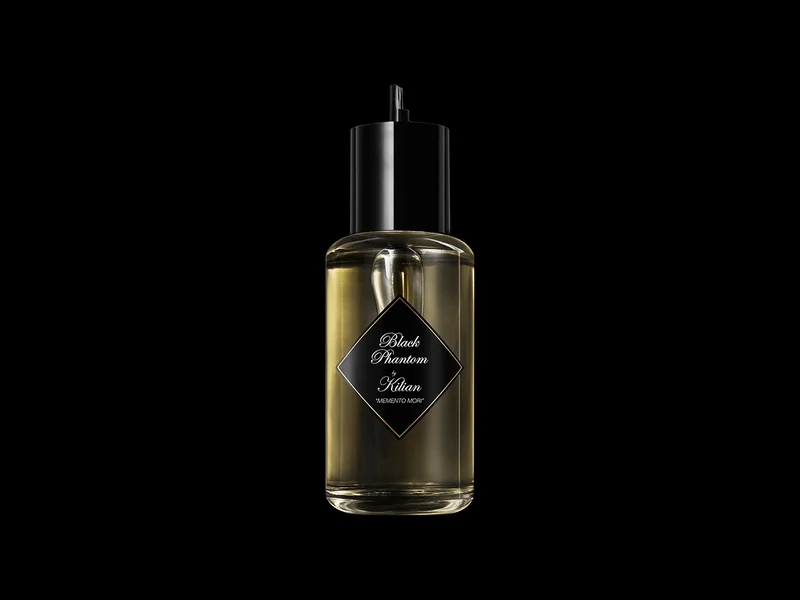
Design language. Kilian’s bottles are nocturnal and opulent: deep lacquered glass in black or dark amber, finished with gold engraving, plaques and collars, often presented as a collectible object rather than a cosmetic. Angels’ Share and Love, Don’t Be Shy are built on heavy, decanter-like forms that feel closer to spirits packaging than to fragrance.
Glass and craft. The signature is a full-body lacquer or deep tint with metallic detail. Lacquer requires a flawless glass surface underneath — any haze or seam telegraphs through the paint — and the gold elements are usually applied as hot-stamped foil, electroplated metal or a cast plaque. The base is typically thick and the profile generous.
Cap and pump mechanics. Caps are heavy and often adorned, so they rely on a positive seat — magnetic or friction — to stay aligned on a lacquered shoulder. The pump is recessed beneath a collar so the mechanism disappears into the decoration.
Manufacturing view. Lacquer plus gold foil is the most economical route to a “black and gold” luxury look on a custom bottle, and it hides any minor glass variation. Specify a heavy base, a deep-lacquer body and a gold electroplated or hot-stamped cap and collar. Because lacquered glass is scratch-prone, box it in a rigid shell with a soft-touch lining — see our custom perfume packaging boxes.
9. Hermès — Terre d’Hermès: The H-Base Heavy Flacon
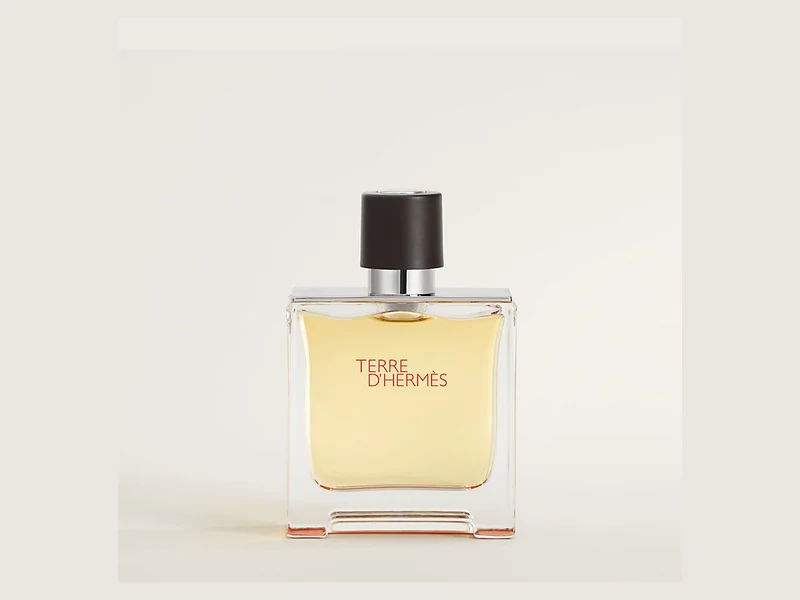
Design language. Terre d’Hermès is a study in engineered mass. The bottle is broad at the foot and rises with a sloping shoulder, and the house’s “H” appears as a signature detail on the cap and the base. The amber-orange juice sits behind clear glass, so the colour itself becomes the decoration, framed by a restrained metal cap.
Glass and craft. The defining feature is the thick, wide base — the flacon feels almost like a paperweight, and that weight is a deliberate value signal. The sloped shoulder and the wide foot have to meet with a clean, continuous curve, and the “H” motif is press-moulded or engraved into the glass and cap metal.
Cap and pump mechanics. The cap is a metal or metal-finish push-cap sized to the wide shoulder; on the Terre line the atomiser sits within a collar rather than protruding. A broad cap on a broad bottle needs a stable, centred seat to avoid rocking.
Manufacturing view. The heavy H-base effect comes almost entirely from base weight, which is a spec you can dial in: order a thick-bottomed mould in Super Flint and a machined cap carrying a debossed initial or logo. Our custom glass perfume bottles are catalogued by base and shoulder dimensions so the box cavity can be cut for a wide-foot flacon exactly. This is the silhouette to choose when the brief is “quiet authority”.
10. Bvlgari — Jewellery-Grade Faceted Crystal
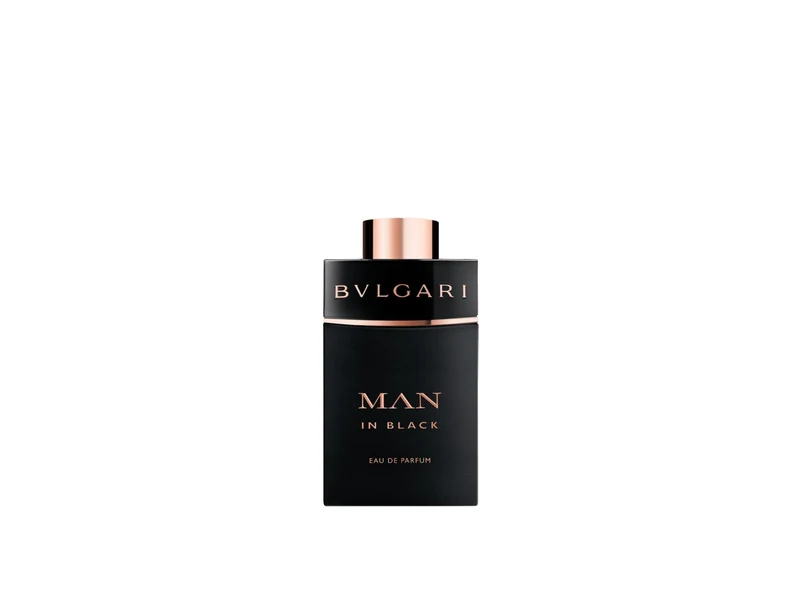
Design language. Bvlgari treats a fragrance bottle as a gemstone. The Le Gemme line uses faceted, coloured bodies whose cut faces echo cut stones, while the Omnia family is built on interlaced rings recalling jewellery links. The visual identity is brilliance: many planes catching light from every angle.
Glass and craft. Faceting is a manufacturing discipline, not a flourish. Each face must be flat and the angle between faces consistent, or the facets read as dents. This demands precise mould tooling and an extra-clear glass so the light return is crisp, with colour applied as an internal tint or outer lacquer depending on the line. A heavy base anchors the cut volume.
Cap and pump mechanics. Faceted bottles are often crowned by a matching “gem” cap or a metal collar that continues the cut rhythm, so the cap profile has to align with the facet edges. The neck is hidden inside the collar, keeping the silhouette uninterrupted.
Manufacturing view. Faceted tooling is the premium end of custom bottle work, and it is where a bespoke manufacturer earns its keep: facet count, face flatness and polishing all affect the final sparkle. For a flagship faceted 100ml such as the YZ-B014 100ml bottle, and for a smaller faceted companion like the YZ-B013, a matched magnetic box and bottle protects the polished faces and turns unboxing into the reveal moment.
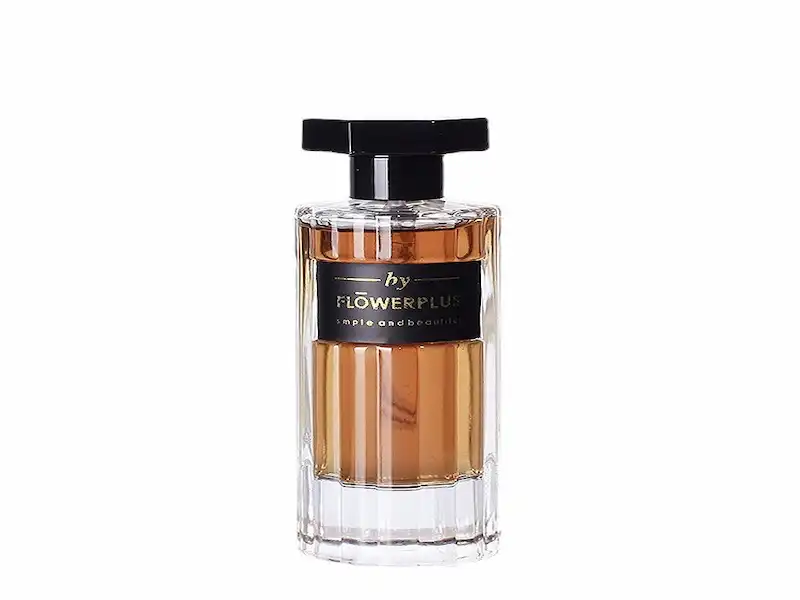
▲ A heavy-base Super Flint flacon with a textured wall and warm-metal collar — the engineered weight shared by the most popular 2026 bottles
The 10 Brands at a Glance: Bottle Design Comparison Table
The table below compares the ten houses on the parameters that a packaging supplier actually needs: capacity, glass type, cap structure, signature craft and the box structure that suits each bottle.
| Brand / Signature Bottle | Typical Capacity | Glass Type | Cap Structure | Signature Craft | Matching Box Type |
|---|---|---|---|---|---|
| Chanel — N°5 / Bleu de Chanel | 35 / 50 / 100 ml | Extra-clear Super Flint, thick wall | Sealed stopper neck; squared double-C cap on Bleu | Plain white label, sharp rectangular flacon, heavy foot | Rigid magnetic box, matte board, EVA insert |
| Dior — J’adore / Sauvage | 30 / 50 / 100 ml | Extra-clear glass with outer or inner gradient coat | Magnetic low-profile cap (Sauvage); metal ring collar (J’adore) | Ombré gradient spray lacquer, metallic neck ring | Printed paper card box with die-cut tray |
| Tom Ford — Private Blend / Black Orchid | 50 / 100 ml | Heavy clear or near-opaque black ribbed glass | Oversized architectural cap, magnetic on newer editions | Deep vertical ribbing, thick base, metal collar | Rigid magnetic shell with fleece-lined insert |
| Byredo — signature cylinder | 50 / 100 ml | Extra-clear low-iron glass, thick base | Heavy magnetically located cap | Bare cylinder, plain white label, minimal printing | Slim rigid box in uncoated soft-touch stock |
| Le Labo — apothecary bottle | 15 / 50 / 100 ml | Stock flint or amber-tinted glass | Screw or crimp cap with accessible pump | Typewritten personalised label, pharmacy aesthetic | Trial / discovery box for small sizes |
| Diptyque — oval flacon | 50 / 100 ml | Extra-clear glass, compound-curve moulding | Compact screw or crimp cap proportioned to the oval | Oval lens shape, illustrated oval label, screen print | Paper card box with oval-traced die-cut insert |
| Maison Margiela Replica — pharmacy flask | 30 / 100 ml | Clear glass, plain walls | Heavy magnetic metal cap | Fabric or textured paper tag label, clinical form | Magnetic shell with debossed or fabric-wrapped face |
| Kilian Paris — lacquered decanter | 50 / 100 ml | Deep-lacquer or heavily tinted glass | Heavy adorned cap, magnetic or friction seat | Gold hot-stamp foil, electroplated collar and plaque | Rigid soft-touch shell with protective lining |
| Hermès — Terre d’Hermès | 50 / 100 ml | Super Flint with wide, thick base | Metal push-cap with embossed “H” | Sloped shoulder, H-base, engraved initial | Wide-cavity rigid box, base-matched insert |
| Bvlgari — Le Gemme / Omnia | 50 / 100 ml | Extra-clear faceted glass, internal tint | Matching facet-aligned cap or metal collar | Multi-plane facet cut, jewellery-grade polish | Magnetic box with polished-face protection insert |
Comparing the ten side by side, the through-line is clear: the most popular bottles of 2026 invest in glass quality, base weight and closure feel rather than in surface decoration. A bespoke manufacturer can replicate all three. For a flagship launch, a common pairing is a heavy-base Super Flint 100ml flacon such as the YZ-B014 inside a rigid magnetic shell, with the YZ-B013 covering the mid-size slot so the family stays consistent across the range.
7 Design Trends Behind These 2026 Bottles
Read the ten bottles together and the same seven design moves recur. These are the trends worth briefing into a new launch.
1. Minimalist, Sculptural Silhouettes
Thick-walled monolithic rectangles, softly chamfered cubes and quiet cylinders dominate. Decoration is limited to a single engraved or foiled mark, and the glass does the talking — the Chanel and Byredo approach, now applied across the market.
2. Refillable and Sustainable Core Design
Refillability has moved from a premium add-on to a baseline expectation. The pattern is a durable outer shell — thick glass or a wrapped aluminium jacket — with a lightweight inner refill that snaps or screws in from the base. It cuts glass weight per sale and keeps the dressed bottle in circulation for years.
3. Biomorphic and Organic Irregular Forms
Alongside minimalism, pebble, egg and wave forms with a hand-finished feel are thriving. Like the Diptyque oval, these shapes demand tight mould tolerances so the irregularity stays intentional rather than accidental.
4. Vintage Bronze and Antique Metal Finishes
Antique brass, aged bronze and burnished gold caps and collars give a bottle depth that bright chrome cannot, and they photograph beautifully. Finishes range from brushed and lacquered aluminium to genuine zinc-alloy castings with a hand-rubbed patina.
5. Heavy-Base, Super Flint Glass
Weight reads as value. The answer is Super Flint glass — a premium extra-clear formulation with very low iron content — formed with a solid, over-thick base so the bottle sits with authority and refracts light like crystal, exactly as the Hermès and Tom Ford bottles do.
6. Standardised FEA15 Crimp Necks and Fine-Mist Engines
FEA15, the 15 mm industry-standard crimp neck plus collar, is the de facto interface for fine fragrance. It lets a house switch pump suppliers, choose 50 mcl, 70 mcl or 100 mcl dosages, or upgrade to a low-actuation-force engine — without touching the glass mould.
7. Tactile Finishes and Soft-Touch Coatings
Surfaces are specified for the hand, not just the eye: soft-touch lacquer on caps, sandblasted and satin-etched glass, and gently debossed labels. Gradient and ombré colour coats — sprayed inside or outside the glass — remain the most requested decorative finish, layered over Super Flint so the base still glows.
Best Fragrance Packaging Ideas: Pairing the Bottle with Its Box
A 2026 bottle is only half a product. The box decides whether the object arrives intact and whether it feels like the price paid. Three pairings cover most briefs:
- Folding carton for retail and travel. A printed paper card box with a die-cut tray keeps a 30ml to 100ml bottle square in transit and stays economical at volume. Pair it with a matching bottle as a single shipped set — see our paper card box and bottle set.
- Rigid shell for gifting and hero SKUs. A magnetic closure box with a fleece-lined EVA insert turns an opening into a ceremony — the right partner for a Byredo-style cylinder or a Tom Ford-style heavy block. Our magnetic box and bottle set matches the greyboard shell to a specific bottle and its pump or cap.
- Discovery and trial formats. Small-format trial perfume boxes let a new scent travel cheaply, then hand the customer over to the full-size bottle — the Le Labo logic applied to a whole range.
Across our full custom perfume packaging boxes range, whichever structure you choose, the insert must be engineered around the actual bottle dimension rather than a drawing, and the box board must be specified against the bottle’s weight. Our custom glass perfume bottles are catalogued with their shoulder and base dimensions precisely so that box cavities, trays and sleeves can be cut to fit on the first sample.
Bottle and Box Specifications to Confirm Before You Order
These are the parameters that decide whether a 2026 design translates into a repeatable product. Use them as a checklist when briefing a supplier.
| Parameter | Common 2026 Choice | Why It Matters |
|---|---|---|
| Glass grade | Super Flint, extra-clear, low-iron | Brilliance, and clean colours through heavy walls |
| Base weight | Thick, solid foot (heavy base) | Perceived value, stability, light refraction |
| Neck standard | FEA15 crimp neck + collar | Pump interchangeability across suppliers |
| Pump dosage | 50 mcl / 70 mcl / 100 mcl | Controls spray strength for different juice weights |
| Cap | Anodised aluminium, zamak or wood, often magnetic | Tactile signature and closure feel |
| Decoration | Screen print, hot stamping, engraving, gradient coat | Brand presence without hiding the glass |
| Box board | 300-450 gsm card, or 1200-1800 gsm greyboard | Carton vs. rigid shell, matched to bottle weight |
| Insert | Die-cut paper tray, EVA fleece or molded pulp | Protects glass and stops rattling in transit |
| Capacities offered | 10ml, 15ml, 30ml, 50ml, 100ml | Lets a range scale without redesigning the box |
How to Source Custom Perfume Bottles and Packaging in 2026
Creative design is only half the brief; sourcing is what turns it into a shippable product. When evaluating a partner for custom perfume bottles and their packaging, look for:
- Bottle and box under one roof. A single supplier who moulds the glass and cuts the board can engineer the cavity and the sleeve around the same physical bottle, which removes the most common cause of fit problems.
- Fragrance-specific tooling knowledge. A team familiar with FEA15 necks, pump dosages and insert tolerances will get the spray and the seat right the first time.
- Samples in final materials. Ask for a physical pre-production sample in the real glass grade, the real cap finish and the real board weight before the run is confirmed. At YiZhou Packaging, pre-production samples are typically ready within 3–7 days.
- Realistic quantities and lead times. Stock bottles are available from an MOQ of 500 pieces, while fully custom bottles and matched box-and-bottle sets typically run from 5,000 pieces. Confirm the figure against your launch calendar and design before tooling.
- Clear specification documents. Neck standard, glass grade, base weight, board gsm and insert type should all be written down and agreed before tooling begins.
- Design support. A supplier with in-house 3D rendering and structural drawing support shortens the loop between concept and a production-ready specification.
At YiZhou Packaging, glass bottles and paper packaging are manufactured in-house, so a bottle concept modelled on a Chanel rectangle or a Byredo cylinder is developed together with its carton, insert and finish rather than assembled from two suppliers’ catalogues. Our team provides structural drawings, 3D mockups and pre-production samples, giving fragrance brands one partner from the first silhouette sketch to the final inspection.
Frequently Asked Questions
Across luxury and niche segments, the bottles that lead the market in 2026 are Chanel N°5 and Bleu de Chanel, Dior J’adore and Sauvage, the Tom Ford Private Blend decanter, Byredo’s cylinder, the Le Labo apothecary bottle, the Diptyque oval, Maison Margiela Replica, Kilian Paris, Hermès Terre d’Hermès and Bvlgari’s faceted Le Gemme line.
Each house has owned a single geometry for decades — Chanel’s flat rectangle, Dior’s amphora and gradient block, Tom Ford’s ribbed architectural cube — and engineered it in high-clarity, heavy-based glass. Buyers recognise the silhouette before they read the label, which is why consistency of form matters more than novelty of decoration.
A magnetic cap drops into place and self-centres, giving the soft click associated with premium lines such as Byredo and Maison Margiela Replica; it hides the neck and feels substantial. A screw cap is more economical and easier to service, which suits apothecary-style and refillable formats. Both can be specified on the same bottle body.
Yes. The four core geometries — rectangle, cylinder, oval and facet — can all be adapted into an original design with your own silhouette, capacity, cap finish and decoration. We develop a bespoke mould, engineering drawings and a Super Flint glass specification, then match it with a box cavity cut to the real bottle, so the result is distinctive rather than a copy.
Stock bottles are available from an MOQ of 500 pieces, while fully custom bottles and matched box-and-bottle sets typically start at 5,000 pieces. Physical pre-production samples in the final glass, cap and board are normally ready within 3–7 days so you can validate the design before tooling.
FEA15 is the 15 mm industry-standard crimp neck and collar used across fine fragrance. Specifying it lets you change pump suppliers or dosage (50, 70 or 100 mcl) without altering the glass mould, which keeps a bottle flexible and easy to supply for years after launch.